'/%3e%3cpath%20d='M0,0%20L145,0%20L141,6%20L129,21%20L116,38%20L103,54%20L90,71%20L77,87%20L66,101%20L55,115%20L41,133%20L30,147%20L29,880%20L-81,880%20L-82,510%20L-93,524%20L-105,539%20L-116,553%20L-127,567%20L-138,581%20L-144,589%20L-322,589%20L-324,593%20L-336,608%20L-346,621%20L-357,635%20L-366,646%20L-377,660%20L-388,674%20L-399,688%20L-412,704%20L-422,717%20L-433,731%20L-442,742%20L-452,755%20L-465,771%20L-478,788%20L-492,805%20L-505,822%20L-516,836%20L-528,851%20L-539,865%20L-551,880%20L-695,880%20L-693,876%20L-684,864%20L-676,854%20L-664,839%20L-654,826%20L-641,810%20L-631,797%20L-620,783%20L-608,768%20L-597,754%20L-585,739%20L-574,725%20L-564,712%20L-551,696%20L-541,683%20L-533,673%20L-522,659%20L-511,645%20L-500,631%20L-489,617%20L-478,603%20L-465,587%20L-455,574%20L-444,560%20L-431,544%20L-421,531%20L-408,515%20L-398,502%20L-386,487%20L-375,473%20L-364,459%20L-351,443%20L-342,431%20L-329,415%20L-316,398%20L-302,381%20L-289,364%20L-275,347%20L-265,334%20L-253,319%20L-242,305%20L-229,289%20L-216,272%20L-203,256%20L-196,247%20L-185,233%20L-172,217%20L-159,200%20L-145,183%20L-135,170%20L-124,156%20L-111,140%20L-100,126%20L-89,112%20L-78,98%20L-65,82%20L-54,68%20L-43,54%20L-32,40%20L-19,24%20L-9,11%20Z%20'%20fill='%23FEFEFE'%20transform='translate(757,106)'/%3e%3cpath%20d='M0,0%20L1,0%20L1,577%20L-108,577%20L-108,139%20L-94,121%20L-80,103%20L-69,89%20L-55,71%20L-45,58%20L-34,44%20L-26,34%20L-10,13%20Z%20'%20fill='%23FEFEFE'%20transform='translate(921,408)'/%3e%3cpath%20d='M0,0%20L1,0%20L1,140%20L-9,153%20L-20,167%20L-31,181%20L-42,195%20L-56,213%20L-66,226%20L-78,241%20L-88,254%20L-99,268%20L-108,280%20L-109,280%20L-109,139%20L-99,127%20L-90,115%20L-79,101%20L-68,87%20L-56,72%20L-43,55%20L-31,40%20L-18,23%20L-5,7%20Z%20'%20fill='%23FDFDFC'%20transform='translate(921,163)'/%3e%3cpath%20d='M0,0%20L2,0%20L2,184%20L-144,184%20L-138,175%20L-126,160%20L-115,146%20L-104,132%20L-93,118%20L-80,102%20L-70,89%20L-59,75%20L-48,61%20L-36,46%20L-25,32%20L-12,16%20L-2,3%20Z%20'%20fill='%23010101'%20transform='translate(674,393)'/%3e%3c/svg%3e)
Assessment
Phase 01
Clarify rack density targets, heat loads, facility constraints, energy objectives, and operating conditions before solution decisions are made.
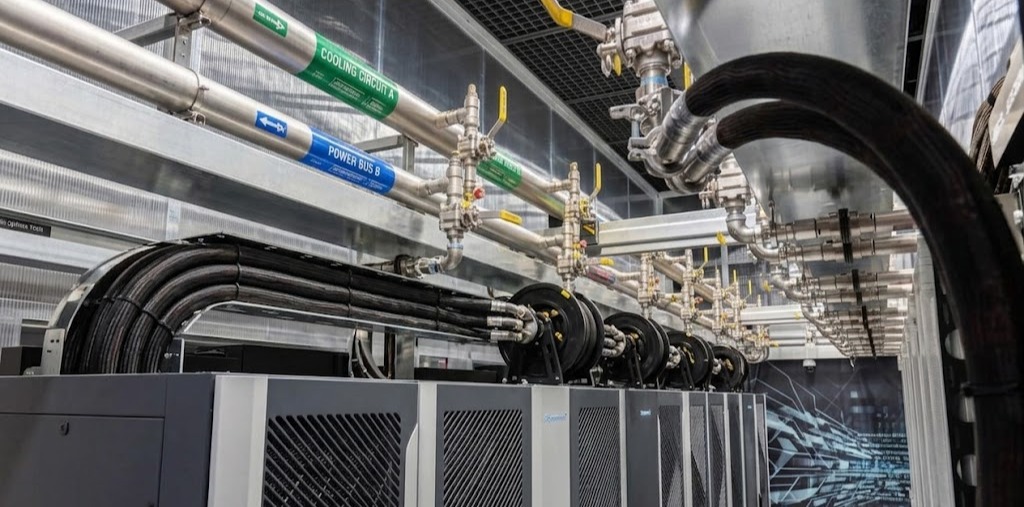
Cooling infrastructure programs for AI, HPC, and retrofit environments where thermal performance, energy efficiency, and deployment readiness directly affect business outcomes.
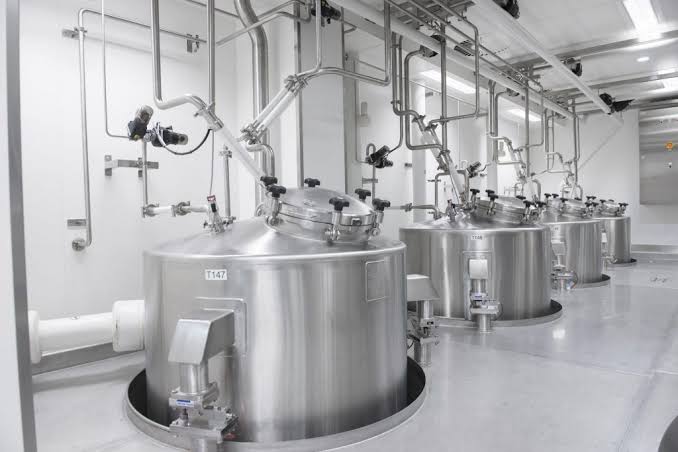
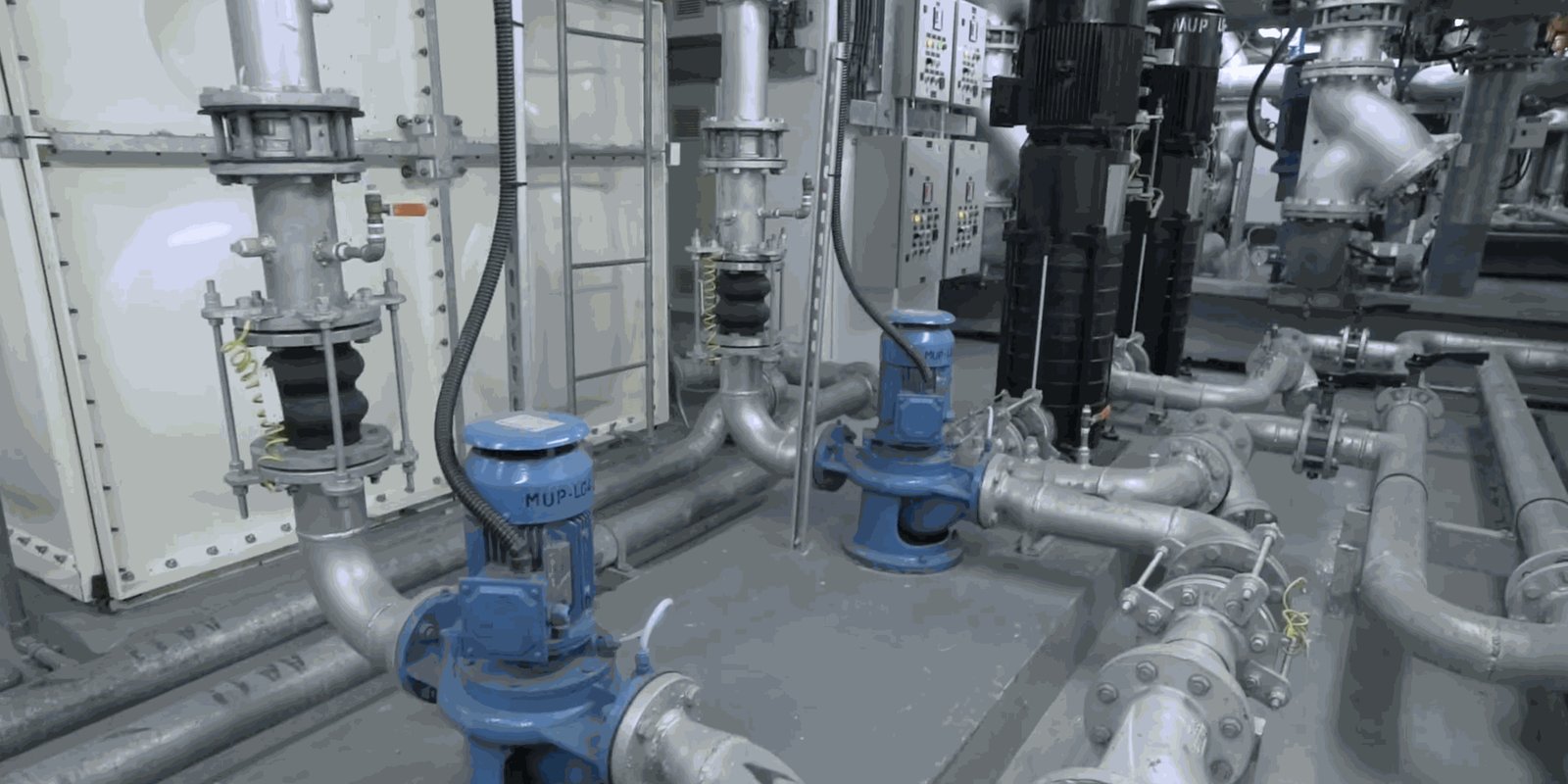
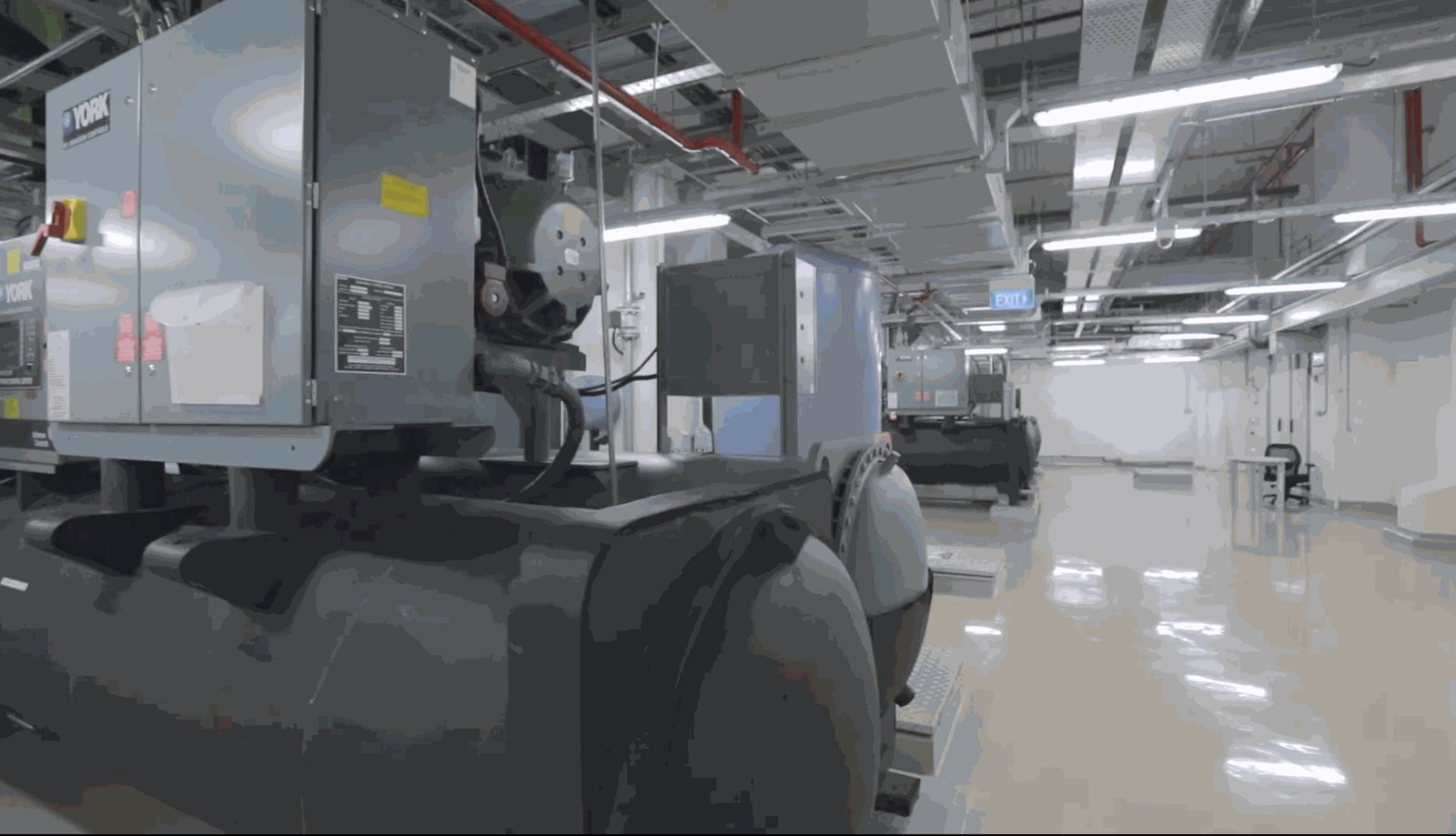
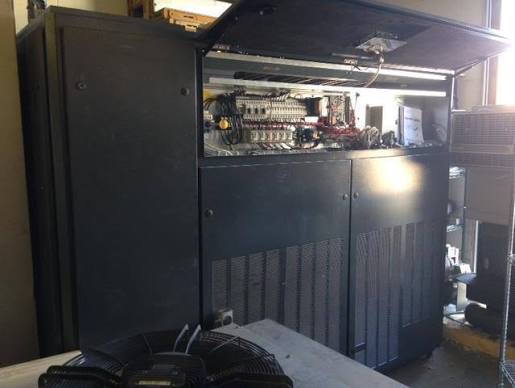
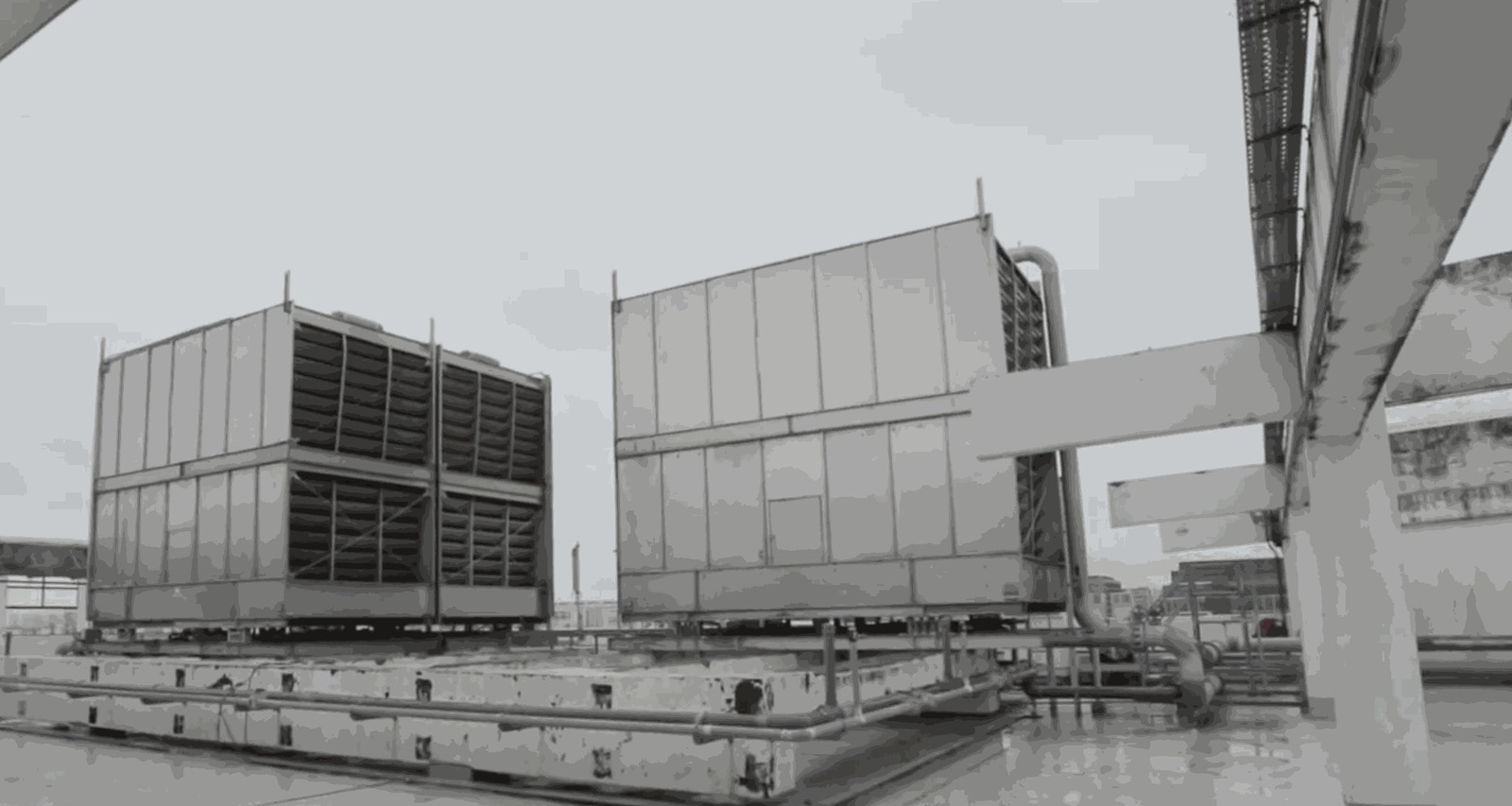
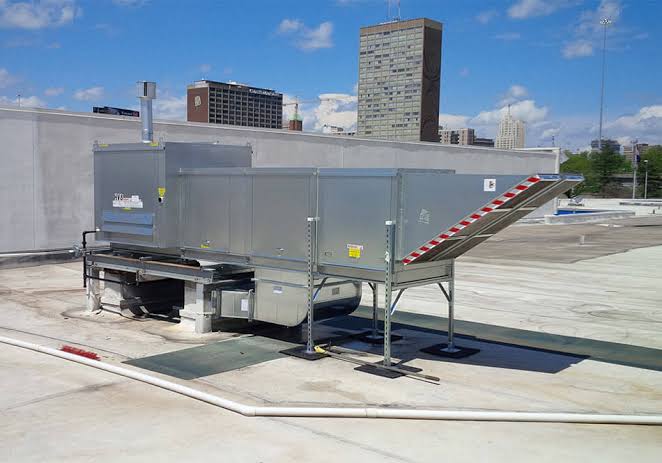
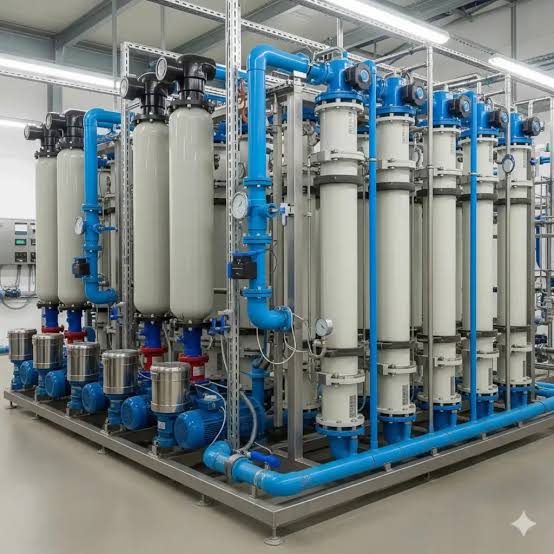
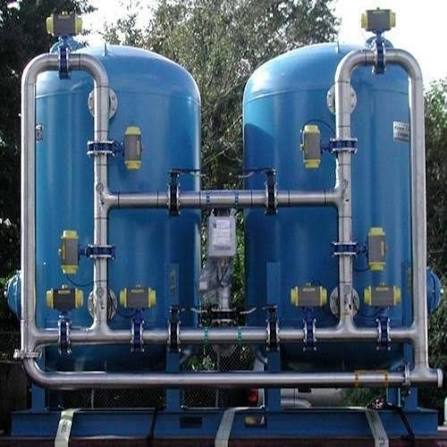
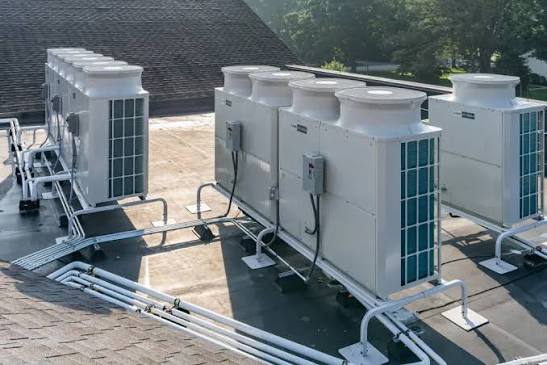
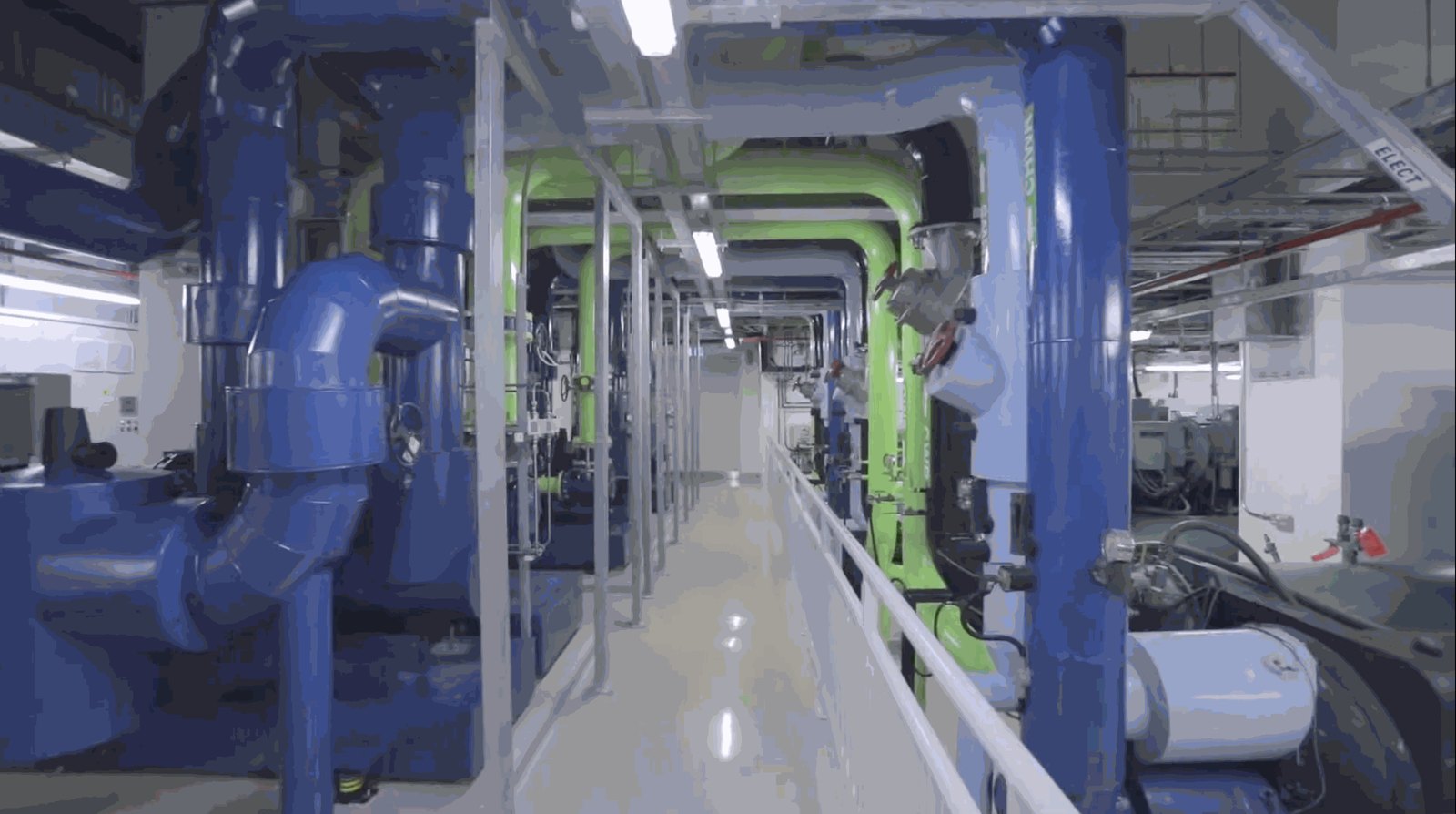
Advanced Cooling Systems Development is the service line for projects where thermal architecture is a primary engineering constraint rather than an accessory decision. It combines front-end requirement framing, dedicated cooling system design, equipment and vendor matching, rollout coordination, deployment readiness, and post-deployment support for air, liquid, and hybrid cooling environments.
Clarify rack density targets, heat loads, facility constraints, energy objectives, and operating conditions before solution decisions are made.
Develop the appropriate cooling architecture, select the right air, liquid, or hybrid approach, and define how the system integrates with the wider facility.
Translate the design into equipment requirements, vendor alignment, procurement actions, and delivery sequencing so the cooling program stays aligned with schedule and performance targets.
Support site readiness, commissioning coordination, and go-live preparation so the cooling environment performs as designed when workloads arrive.
Continue with optimization, maintenance planning, and upgrade guidance after commissioning to protect efficiency, reliability, and future scalability.
Best when cooling design is inseparable from compute density, rack configuration, and operating continuity.
Useful when an existing site must evolve toward higher density or better efficiency without treating cooling as an afterthought.
Useful when the client wants a dedicated service line focused on thermal performance, deployment sequencing, and long-term support rather than commercialization questions.
If Advanced Cooling Systems Development matches your current project stage, continue to the inquiry page with this service context already attached.