
01
Modular data centre infrastructure
Containerized modules, micro-modules, integrated IT units, enclosed aisles, racks, physical protection, and supporting infrastructure.
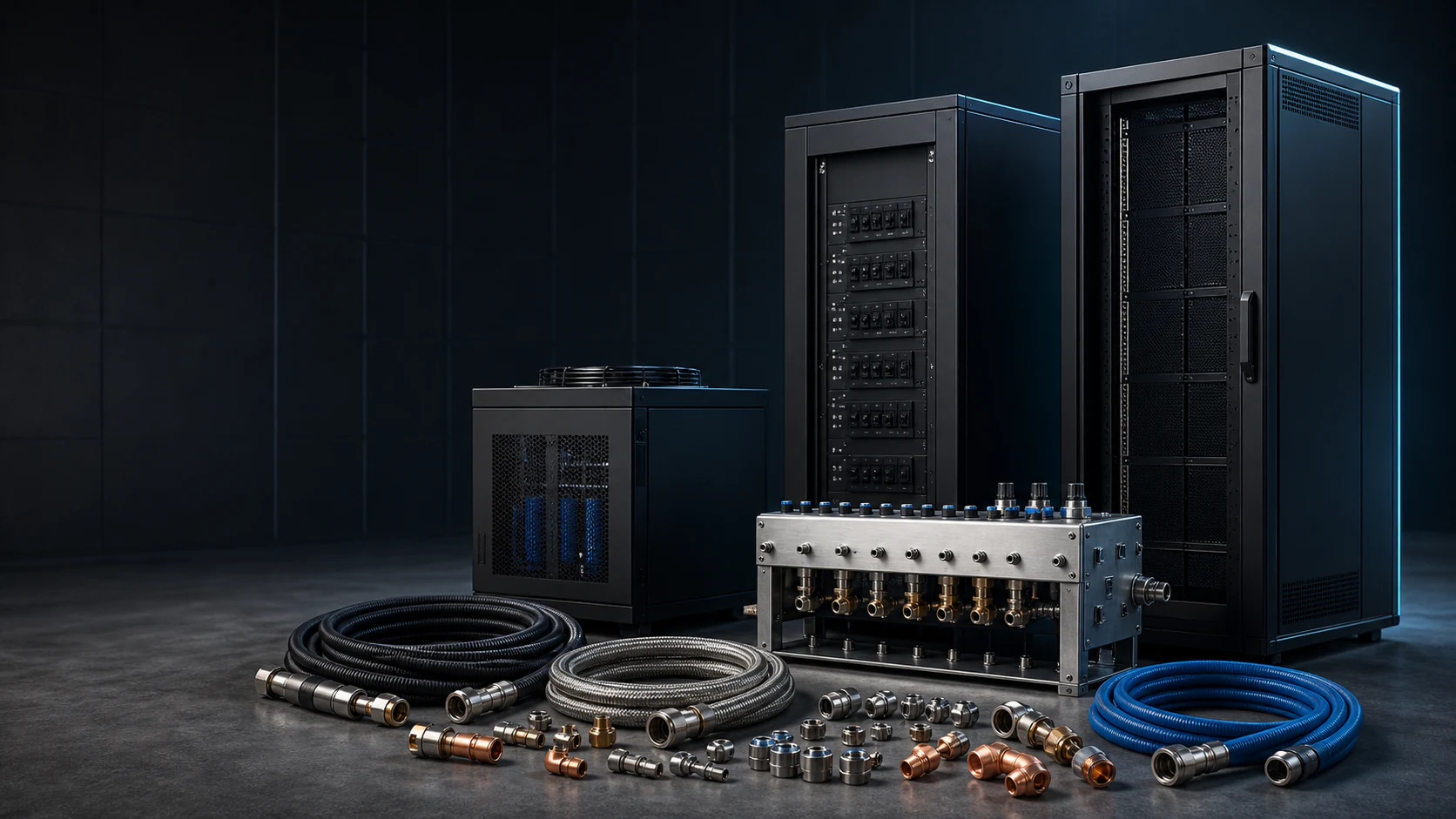
We help customers identify, compare, source, and coordinate data centre equipment and infrastructure components through qualified supply networks in China.
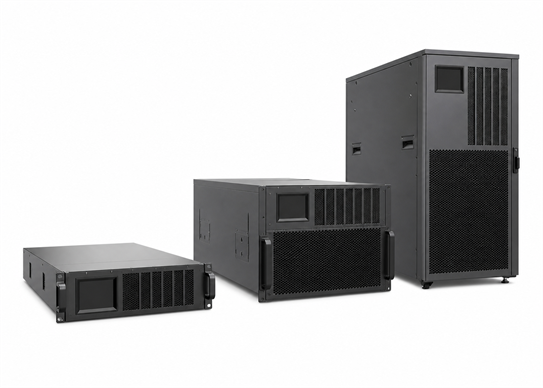
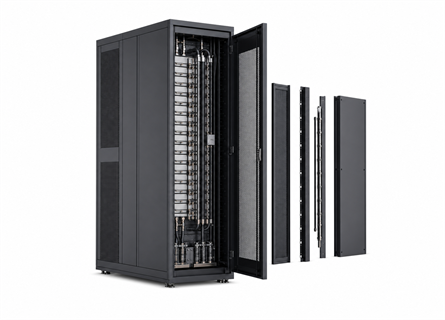
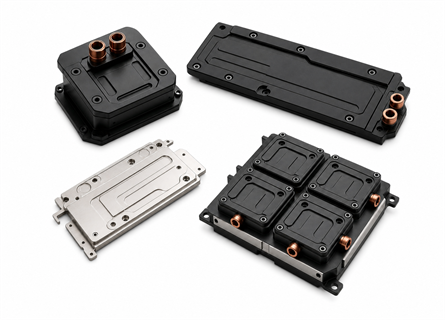
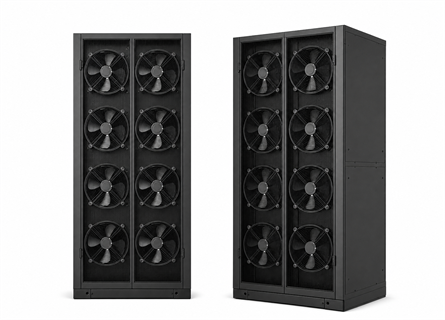
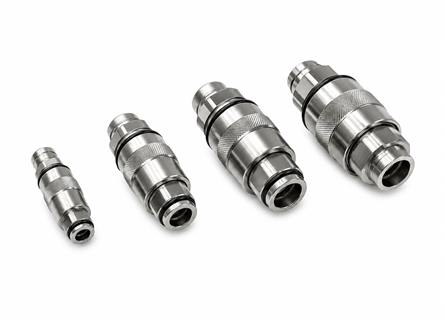
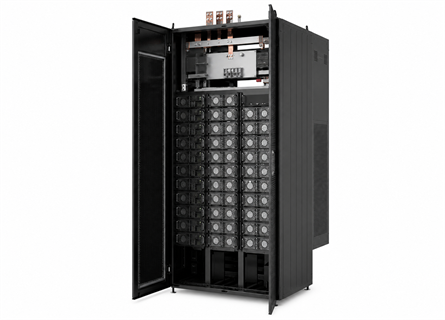
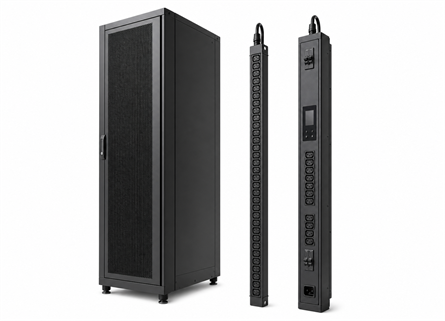
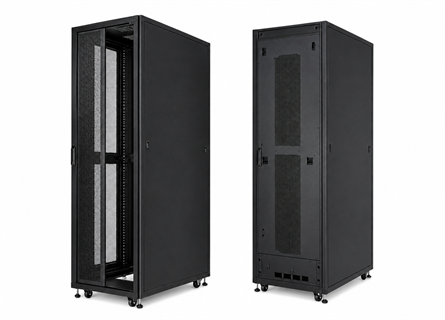
Containerized modules, micro-modules, integrated IT units, enclosed aisles, racks, physical protection, and supporting infrastructure.
Room-level, in-row, in-rack, rear-door heat exchanger, fan-wall, modular, and high-density cooling systems.
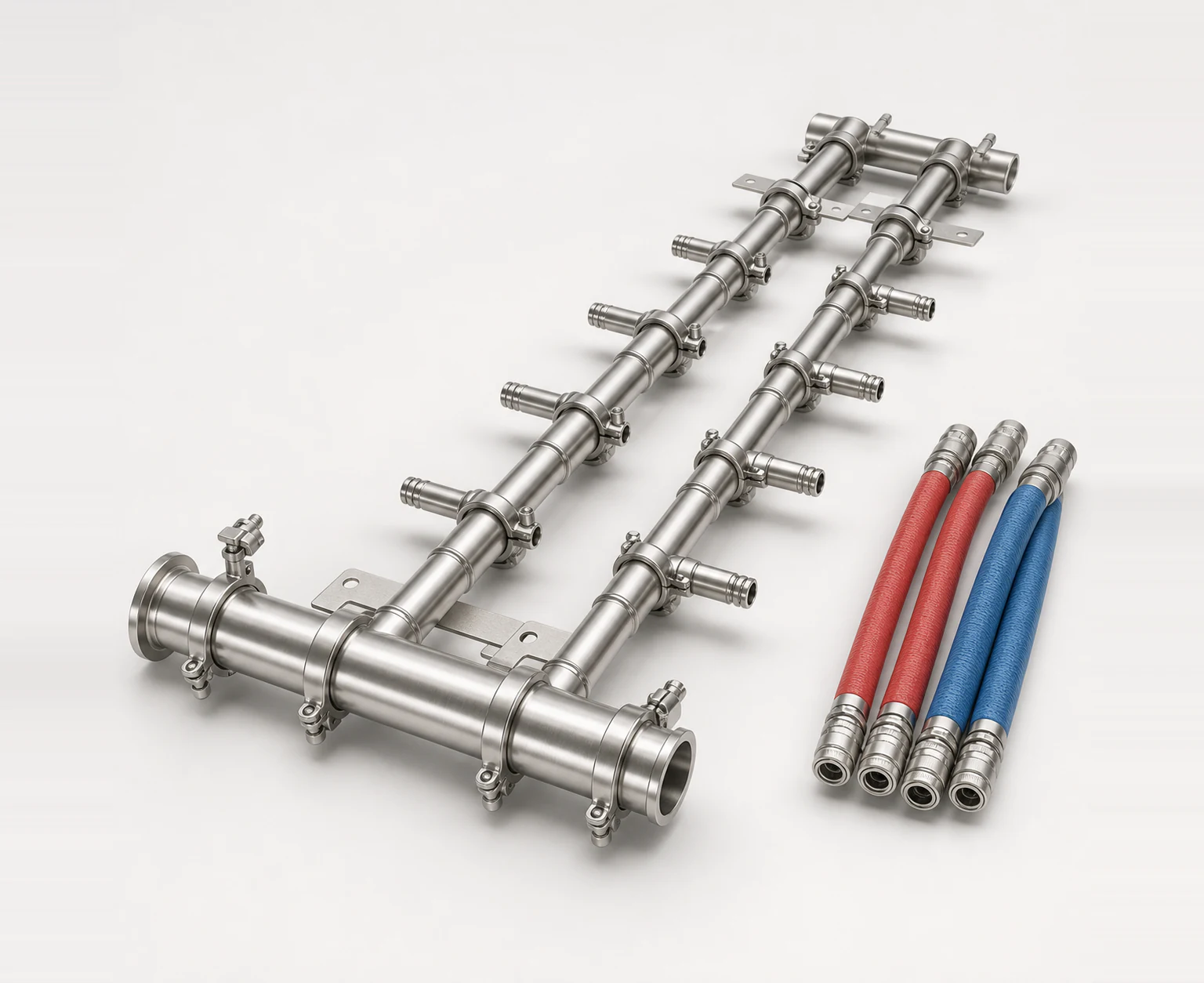
Cold plates, CDUs, manifolds, pumps, heat exchangers, quick connectors, immersion systems, chillers, dry coolers, cooling towers, and hydraulic modules.
Low-voltage distribution, UPS and battery systems, PDUs, intelligent busbars, monitoring systems, and integrated power modules.
General-purpose, AI, GPU, HPC, edge, rack-scale server, and storage systems with compatibility-focused coordination.
DCIM, environmental monitoring, energy measurement, access control, alarms, remote operations, and infrastructure-management systems.
Server-grade memory modules, including ECC and registered memory options, subject to platform compatibility, availability, and qualification requirements.
These figures help illustrate the type of equipment we can source. They are not a guaranteed standard configuration; final specifications depend on the selected manufacturer, model, site conditions, local standards, workload, and project design.
| Equipment family | Representative specifications | Typical configuration notes |
|---|---|---|
| Containerized data centre modules | 4 or 8 x 42U cabinets; example footprints of approximately 6.1m or 12.2m long x 3.0m wide x 2.9m high; outdoor protection up to IP55; approximately -40 C to +55 C; 5-95% relative humidity; 380/400/415V, 50/60Hz | May integrate racks, HVAC, UPS, batteries, fire protection, access control, monitoring, lighting, cabling, and single or dual power feeds. |
| Room-level precision cooling | Approximately 7-200kW cooling capacity | Final selection depends on sensible heat load, airflow, redundancy, and available cooling source. |
| In-row precision cooling | Approximately 7-80kW per unit; published operating range approximately -40 C to +50 C | Close-coupled cooling for modular rooms, containers, and medium- to high-density racks. |
| Water-cooled dual-coil CRAC | Approximately 90-300kW per unit; published rack loads of approximately 15-42kW | May support free cooling, mixed cooling, and mechanical cooling modes. |
| Cold-plate liquid cooling | Published reference ranges include more than 50kW per cabinet and CDU configurations from approximately 10kW to 1,200kW | Typically includes cold plates, CDUs, manifolds, prefabricated piping, quick connectors, monitoring, and leak detection. |
| Liquid-cooled high-density cabinets | Approximately 60-150kW per cabinet in selected configurations | Requires coordination between server compatibility, coolant quality, CDU capacity, heat rejection, condensation control, and leak detection. |
| Immersion liquid cooling | Up to approximately 160 computing nodes and approximately 220kW per cabinet in selected configurations | Suitable for AI, HPC, and other ultra-high-density workloads; final envelope and coolant depend on configuration. |
| Integrated cooling stations | Approximately 156-2,500 refrigeration tons in published product families | May integrate chillers, cooling towers, pumps, water treatment, electrical controls, redundancy, and containerized plant modules. |
| Hydraulic and pump modules | Approximately 4-20MW per set in selected configurations | May integrate variable-frequency pumps, heat exchangers, filtration, pressure stabilization, valves, controls, and standby pump capacity. |
| Power distribution modules | Integrated options may combine transformers, low-voltage distribution, UPS, compensation, busbars, and intelligent power monitoring | Final rating, redundancy, short-circuit withstand, protection coordination, and local certification must be confirmed per project. |
| DCIM and infrastructure management | Real-time collection and analysis across power, cooling, network, security, and IT resources; 2D/3D visualization and automated alarms available in selected platforms | Can support energy analysis, capacity planning, digital-twin views, automated O&M workflows, and reporting. |
Coordinate cooling, power, racks, monitoring, compute, storage, and related infrastructure through one procurement conversation.
Review equipment against workload, density, power architecture, environmental conditions, interfaces, standards, and lifecycle expectations.
Make interfaces, delivery dependencies, documentation gaps, and qualification requirements visible before equipment is committed.
Review application, specifications, quantity, destination, delivery date, compliance, and support needs.
Identify suitable products or configurations based on performance, compatibility, lead time, commercial requirements, and project risk.
Coordinate datasheets, drawings, interfaces, options, exclusions, testing, and warranty conditions.
Consolidate quotations, compare alternatives, clarify delivery terms, and select an executable package.
Support factory communication, documentation review, inspection, shipment coordination, and delivery tracking where required.
Combine equipment sourcing with system integration, site deployment, commissioning, and lifecycle support for project-based requirements.
Share your target capacity, site conditions, workload, timeline, and support requirements. We will help shape the next practical step.