'/%3e%3cpath%20d='M0,0%20L145,0%20L141,6%20L129,21%20L116,38%20L103,54%20L90,71%20L77,87%20L66,101%20L55,115%20L41,133%20L30,147%20L29,880%20L-81,880%20L-82,510%20L-93,524%20L-105,539%20L-116,553%20L-127,567%20L-138,581%20L-144,589%20L-322,589%20L-324,593%20L-336,608%20L-346,621%20L-357,635%20L-366,646%20L-377,660%20L-388,674%20L-399,688%20L-412,704%20L-422,717%20L-433,731%20L-442,742%20L-452,755%20L-465,771%20L-478,788%20L-492,805%20L-505,822%20L-516,836%20L-528,851%20L-539,865%20L-551,880%20L-695,880%20L-693,876%20L-684,864%20L-676,854%20L-664,839%20L-654,826%20L-641,810%20L-631,797%20L-620,783%20L-608,768%20L-597,754%20L-585,739%20L-574,725%20L-564,712%20L-551,696%20L-541,683%20L-533,673%20L-522,659%20L-511,645%20L-500,631%20L-489,617%20L-478,603%20L-465,587%20L-455,574%20L-444,560%20L-431,544%20L-421,531%20L-408,515%20L-398,502%20L-386,487%20L-375,473%20L-364,459%20L-351,443%20L-342,431%20L-329,415%20L-316,398%20L-302,381%20L-289,364%20L-275,347%20L-265,334%20L-253,319%20L-242,305%20L-229,289%20L-216,272%20L-203,256%20L-196,247%20L-185,233%20L-172,217%20L-159,200%20L-145,183%20L-135,170%20L-124,156%20L-111,140%20L-100,126%20L-89,112%20L-78,98%20L-65,82%20L-54,68%20L-43,54%20L-32,40%20L-19,24%20L-9,11%20Z%20'%20fill='%23FEFEFE'%20transform='translate(757,106)'/%3e%3cpath%20d='M0,0%20L1,0%20L1,577%20L-108,577%20L-108,139%20L-94,121%20L-80,103%20L-69,89%20L-55,71%20L-45,58%20L-34,44%20L-26,34%20L-10,13%20Z%20'%20fill='%23FEFEFE'%20transform='translate(921,408)'/%3e%3cpath%20d='M0,0%20L1,0%20L1,140%20L-9,153%20L-20,167%20L-31,181%20L-42,195%20L-56,213%20L-66,226%20L-78,241%20L-88,254%20L-99,268%20L-108,280%20L-109,280%20L-109,139%20L-99,127%20L-90,115%20L-79,101%20L-68,87%20L-56,72%20L-43,55%20L-31,40%20L-18,23%20L-5,7%20Z%20'%20fill='%23FDFDFC'%20transform='translate(921,163)'/%3e%3cpath%20d='M0,0%20L2,0%20L2,184%20L-144,184%20L-138,175%20L-126,160%20L-115,146%20L-104,132%20L-93,118%20L-80,102%20L-70,89%20L-59,75%20L-48,61%20L-36,46%20L-25,32%20L-12,16%20L-2,3%20Z%20'%20fill='%23010101'%20transform='translate(674,393)'/%3e%3c/svg%3e)
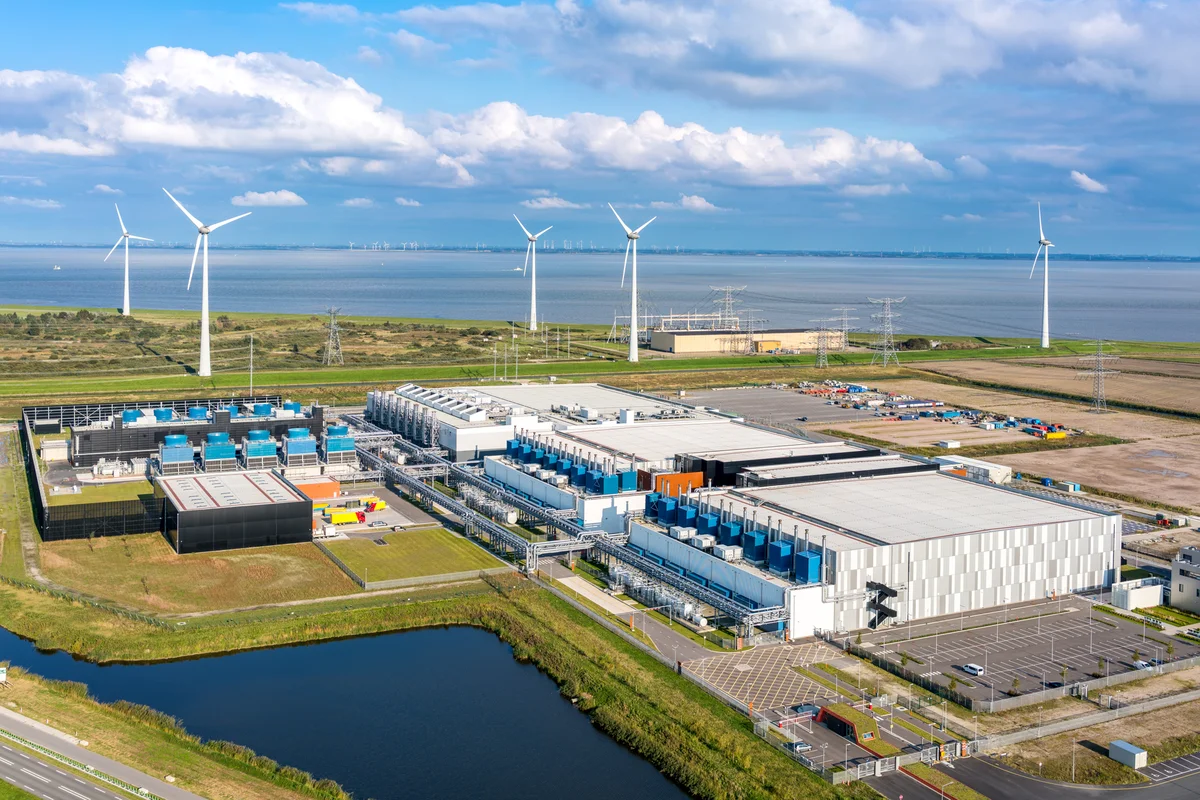
Green and Low-Carbon Data Center
Improve energy performance through coordinated power, cooling, storage, and measurement systems rather than treating sustainability as a standalone add-on.
An energy-efficient data center solution focused on lower PUE, carbon visibility, and lower long-term operating cost.
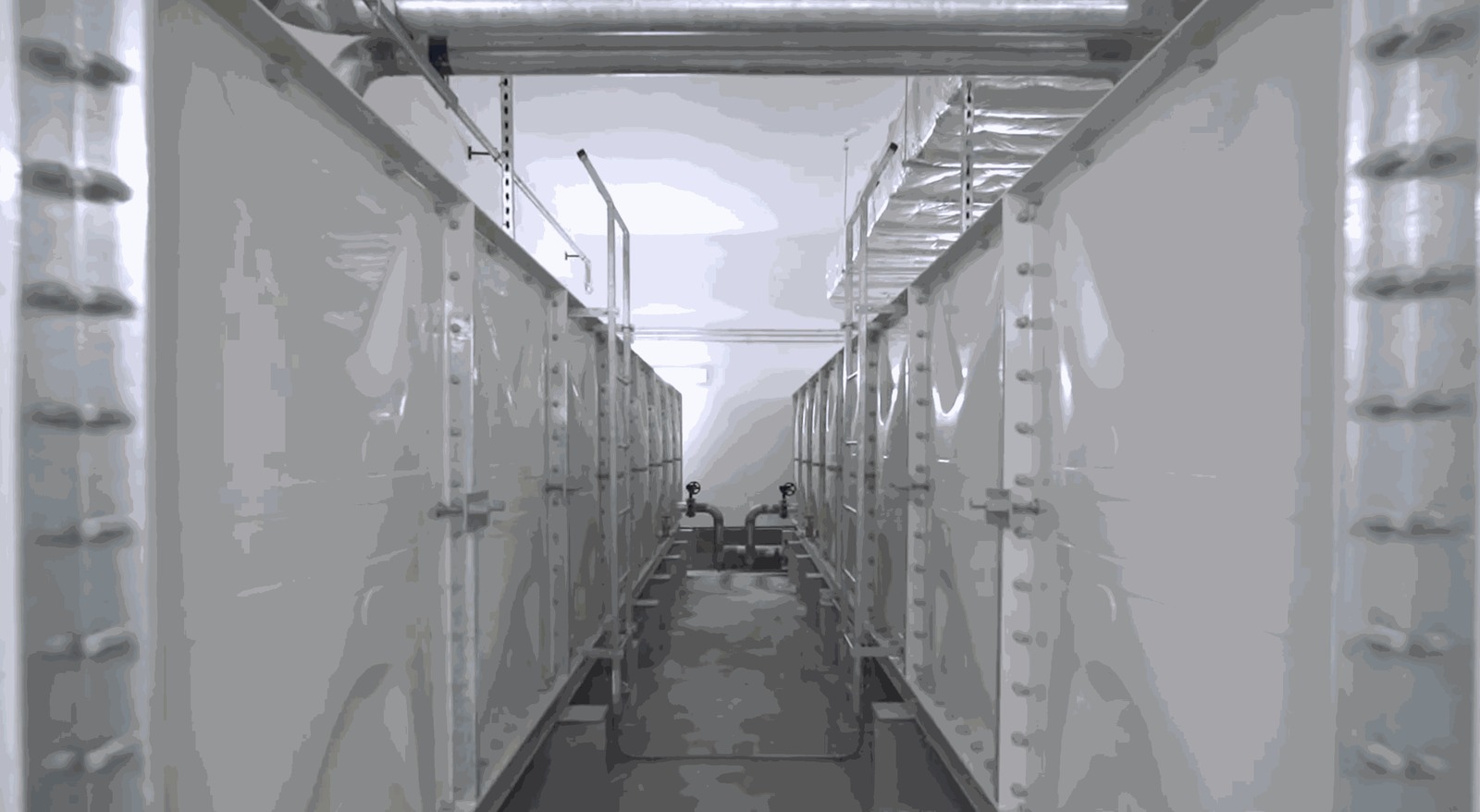
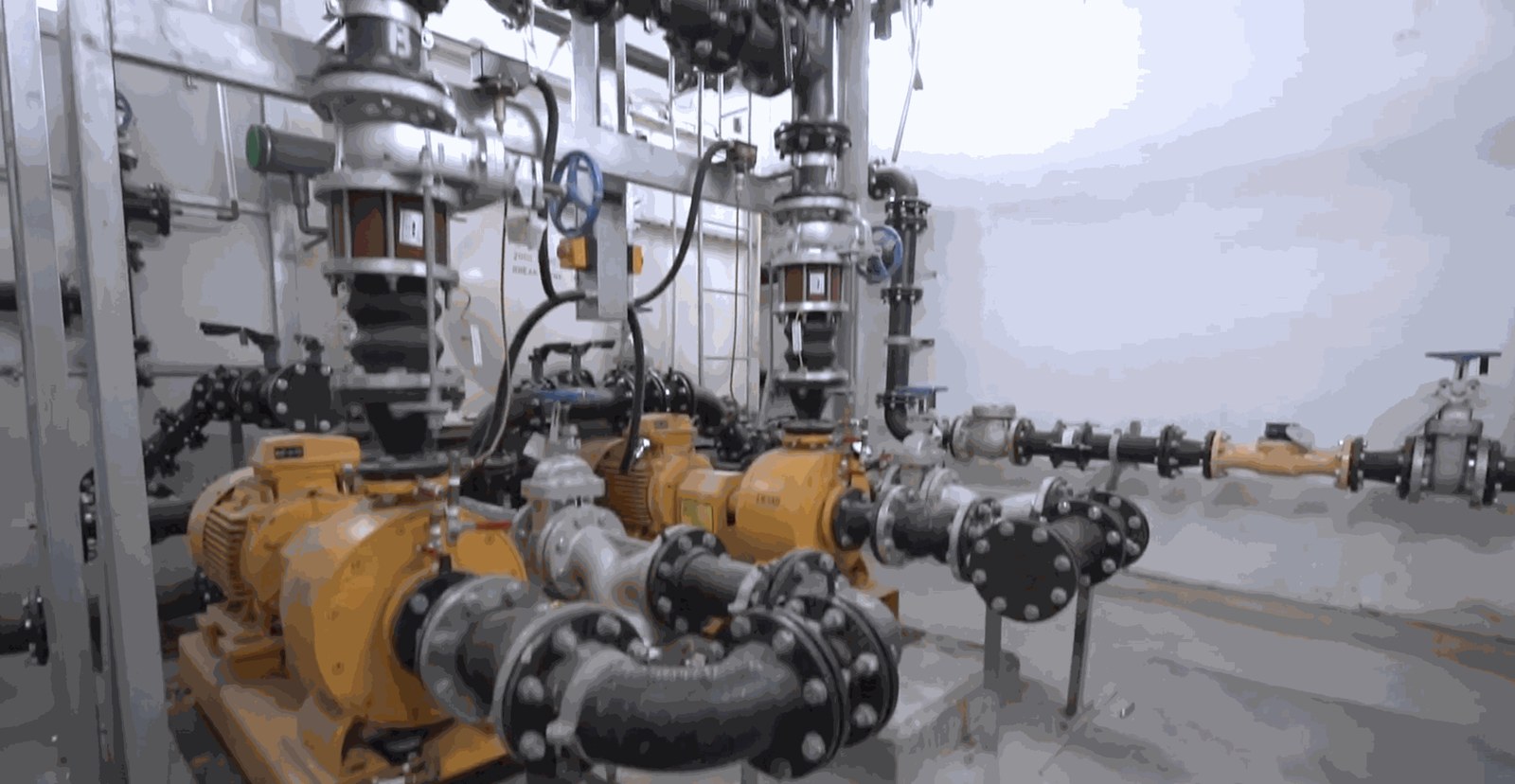
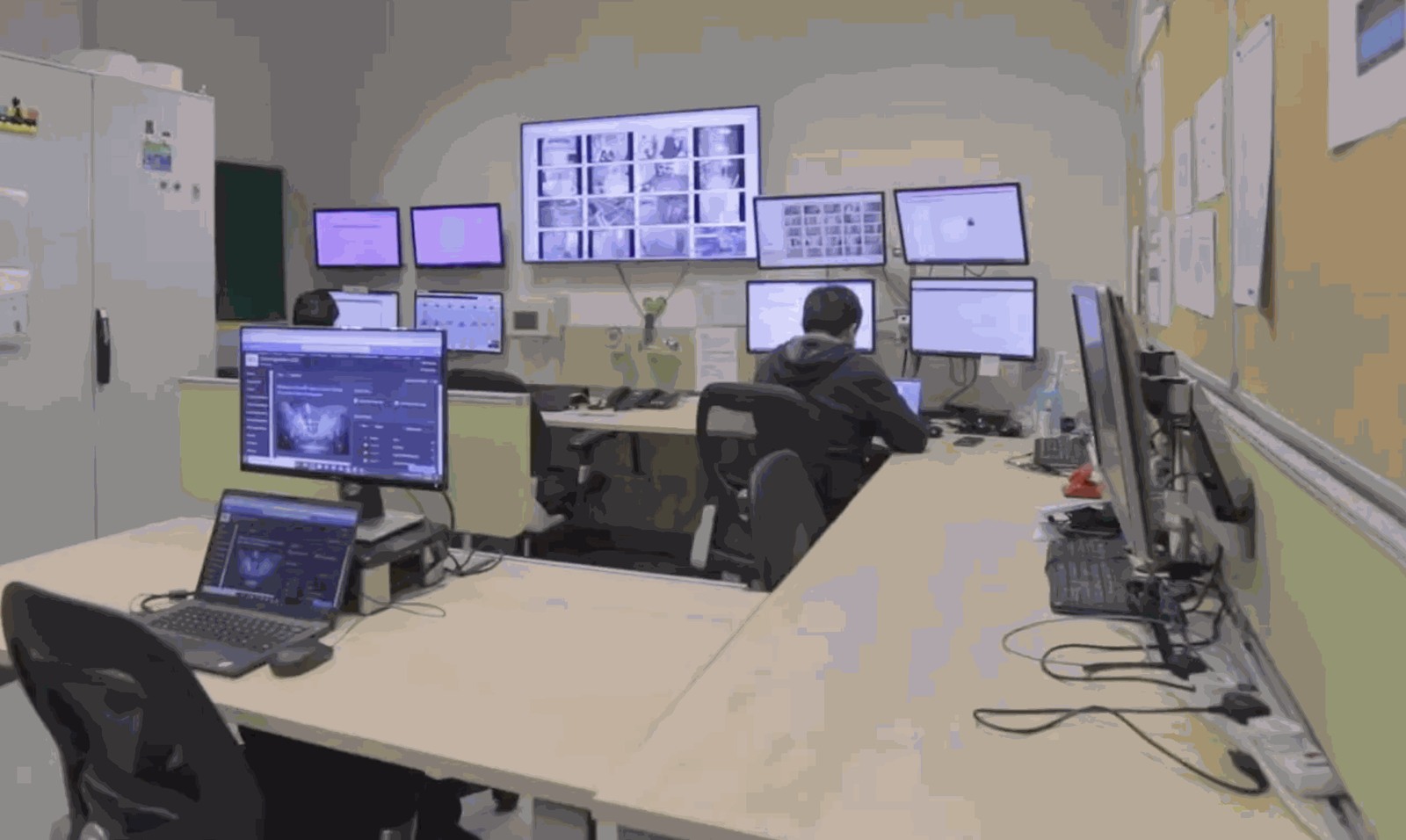
Best Fit and Key Challenges
Best Fit Scenarios
This solution is designed for operators planning new facilities or upgrading existing sites where energy efficiency, carbon visibility, and long-term operating cost are now strategic priorities.
Key Challenges
Many facilities pursue lower PUE or lower carbon exposure through isolated upgrades, but the power, cooling, monitoring, and storage systems are rarely coordinated enough to deliver durable gains.
What the Solution Includes
These components show what the solution includes and why each layer matters to performance, resilience, and manageability.
Power efficiency layer
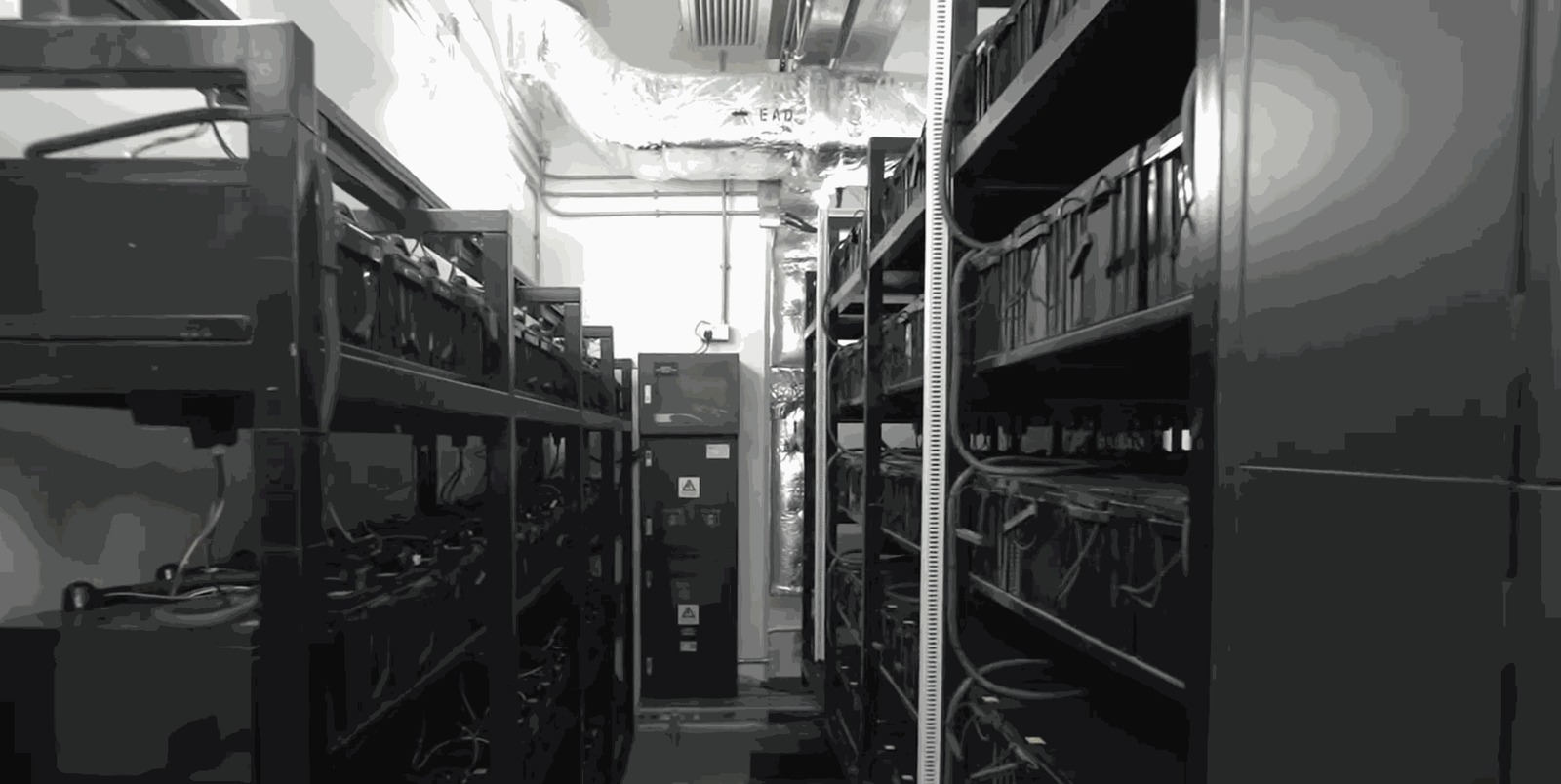
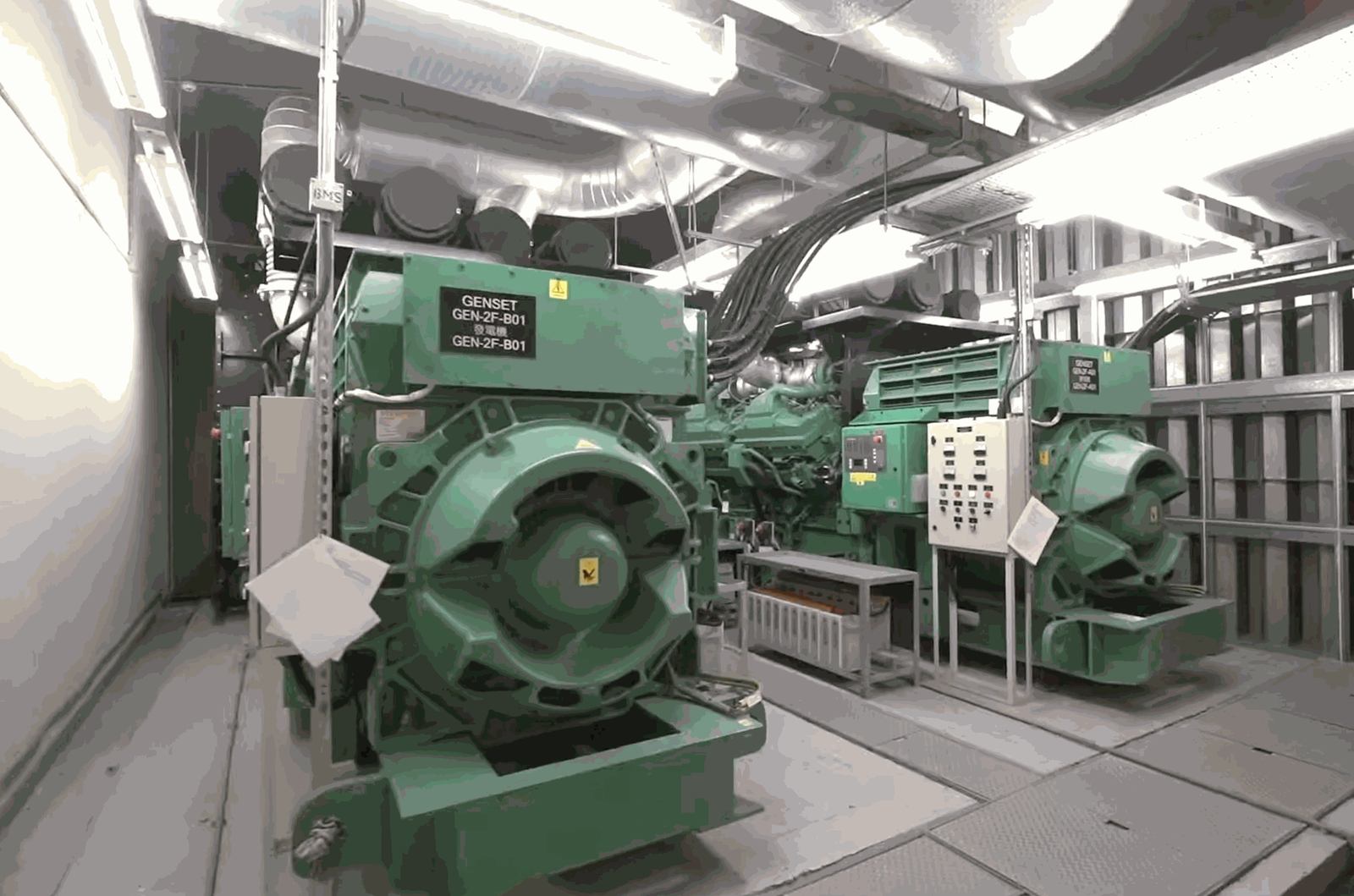
High-efficiency UPS and intelligent power distribution reduce conversion losses and improve visibility into how electrical capacity is actually being consumed across the site.
Cooling layer
Liquid cooling and indirect evaporative cooling reduce the thermal penalty of supporting denser workloads. Cooling is one of the largest levers in facility efficiency, so it has to be designed with the power path, not after it.
Energy buffering layer
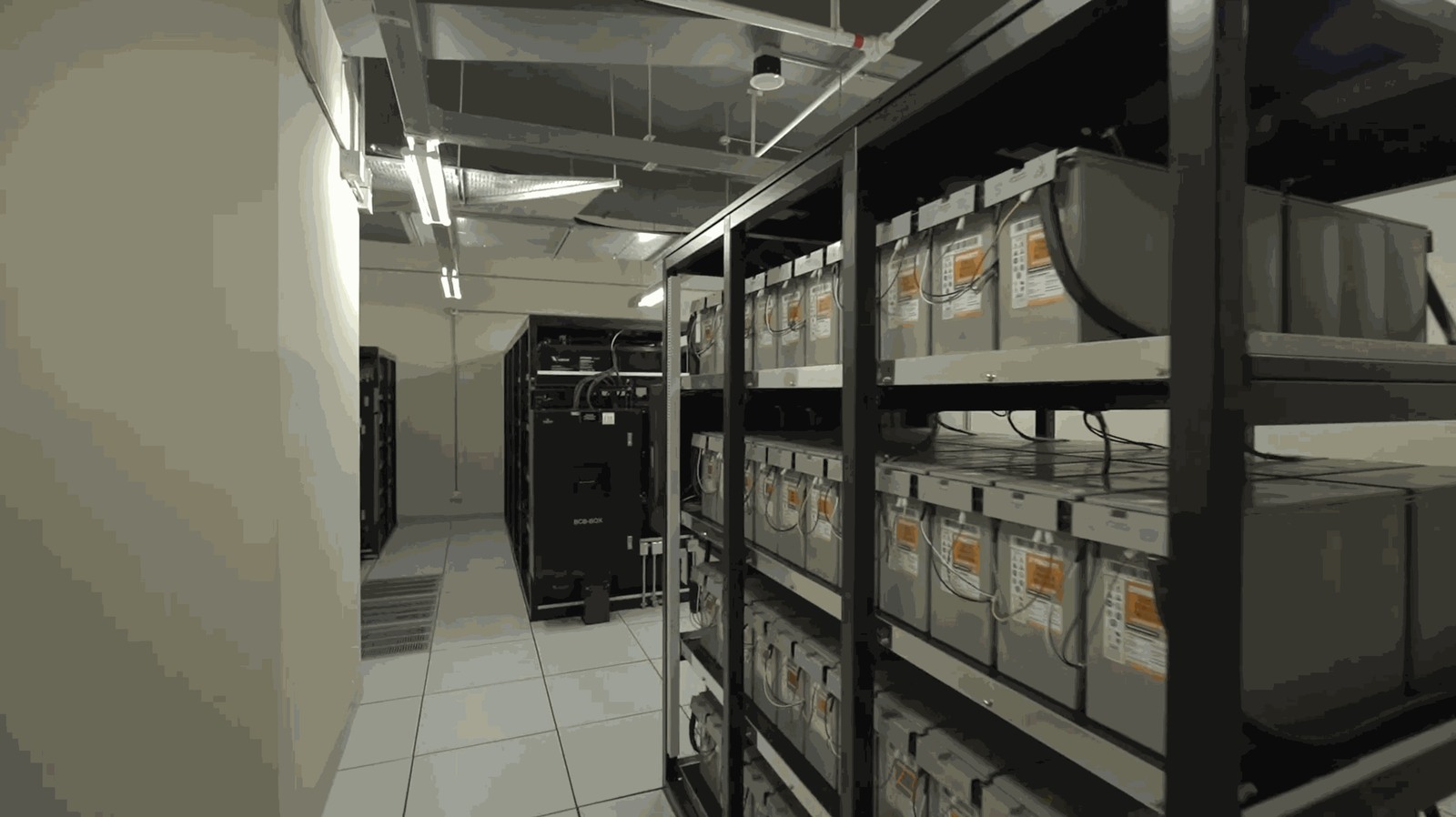
Energy storage systems help smooth demand, improve resilience, and create more flexibility in how the site consumes and manages power over time.
Renewable integration layer
Photovoltaic access and related energy inputs support lower-carbon operating strategies, but only become meaningful when they are visible inside the wider power and measurement architecture.
Measurement and carbon management layer
Energy consumption monitoring and carbon emission management provide the feedback loop required to verify outcomes, support reporting, and identify where efficiency gains are actually being won or lost.
What to Consider Before Deployment
Every deployment model optimizes for something. This section highlights the tradeoffs in cost, complexity, flexibility, and operational control.
Greenfield optimization vs retrofit practicality
New builds allow cleaner low-carbon design choices across the full stack, while retrofit projects must balance efficiency gains against existing facility constraints and disruption risk.
Peak efficiency vs capital discipline
The most efficient electrical and cooling strategies can require meaningful upfront investment. The right design depends on whether the organization is optimizing for lowest long-term operating cost or a tighter near-term capital envelope.
Density support vs system simplicity
Supporting modern high-density compute can justify more advanced cooling and power strategies, but it also raises integration complexity compared with simpler, lower-density facility designs.
Reporting visibility vs implementation overhead
Deep monitoring and carbon accounting create better operational control and stronger reporting, but they add platform, integration, and process requirements that must be maintained over time.
Discuss your project requirements.
If Green and Low-Carbon Data Center fits your target environment, we can help define scope, capacity, resiliency, and operating requirements.