'/%3e%3cpath%20d='M0,0%20L145,0%20L141,6%20L129,21%20L116,38%20L103,54%20L90,71%20L77,87%20L66,101%20L55,115%20L41,133%20L30,147%20L29,880%20L-81,880%20L-82,510%20L-93,524%20L-105,539%20L-116,553%20L-127,567%20L-138,581%20L-144,589%20L-322,589%20L-324,593%20L-336,608%20L-346,621%20L-357,635%20L-366,646%20L-377,660%20L-388,674%20L-399,688%20L-412,704%20L-422,717%20L-433,731%20L-442,742%20L-452,755%20L-465,771%20L-478,788%20L-492,805%20L-505,822%20L-516,836%20L-528,851%20L-539,865%20L-551,880%20L-695,880%20L-693,876%20L-684,864%20L-676,854%20L-664,839%20L-654,826%20L-641,810%20L-631,797%20L-620,783%20L-608,768%20L-597,754%20L-585,739%20L-574,725%20L-564,712%20L-551,696%20L-541,683%20L-533,673%20L-522,659%20L-511,645%20L-500,631%20L-489,617%20L-478,603%20L-465,587%20L-455,574%20L-444,560%20L-431,544%20L-421,531%20L-408,515%20L-398,502%20L-386,487%20L-375,473%20L-364,459%20L-351,443%20L-342,431%20L-329,415%20L-316,398%20L-302,381%20L-289,364%20L-275,347%20L-265,334%20L-253,319%20L-242,305%20L-229,289%20L-216,272%20L-203,256%20L-196,247%20L-185,233%20L-172,217%20L-159,200%20L-145,183%20L-135,170%20L-124,156%20L-111,140%20L-100,126%20L-89,112%20L-78,98%20L-65,82%20L-54,68%20L-43,54%20L-32,40%20L-19,24%20L-9,11%20Z%20'%20fill='%23FEFEFE'%20transform='translate(757,106)'/%3e%3cpath%20d='M0,0%20L1,0%20L1,577%20L-108,577%20L-108,139%20L-94,121%20L-80,103%20L-69,89%20L-55,71%20L-45,58%20L-34,44%20L-26,34%20L-10,13%20Z%20'%20fill='%23FEFEFE'%20transform='translate(921,408)'/%3e%3cpath%20d='M0,0%20L1,0%20L1,140%20L-9,153%20L-20,167%20L-31,181%20L-42,195%20L-56,213%20L-66,226%20L-78,241%20L-88,254%20L-99,268%20L-108,280%20L-109,280%20L-109,139%20L-99,127%20L-90,115%20L-79,101%20L-68,87%20L-56,72%20L-43,55%20L-31,40%20L-18,23%20L-5,7%20Z%20'%20fill='%23FDFDFC'%20transform='translate(921,163)'/%3e%3cpath%20d='M0,0%20L2,0%20L2,184%20L-144,184%20L-138,175%20L-126,160%20L-115,146%20L-104,132%20L-93,118%20L-80,102%20L-70,89%20L-59,75%20L-48,61%20L-36,46%20L-25,32%20L-12,16%20L-2,3%20Z%20'%20fill='%23010101'%20transform='translate(674,393)'/%3e%3c/svg%3e)

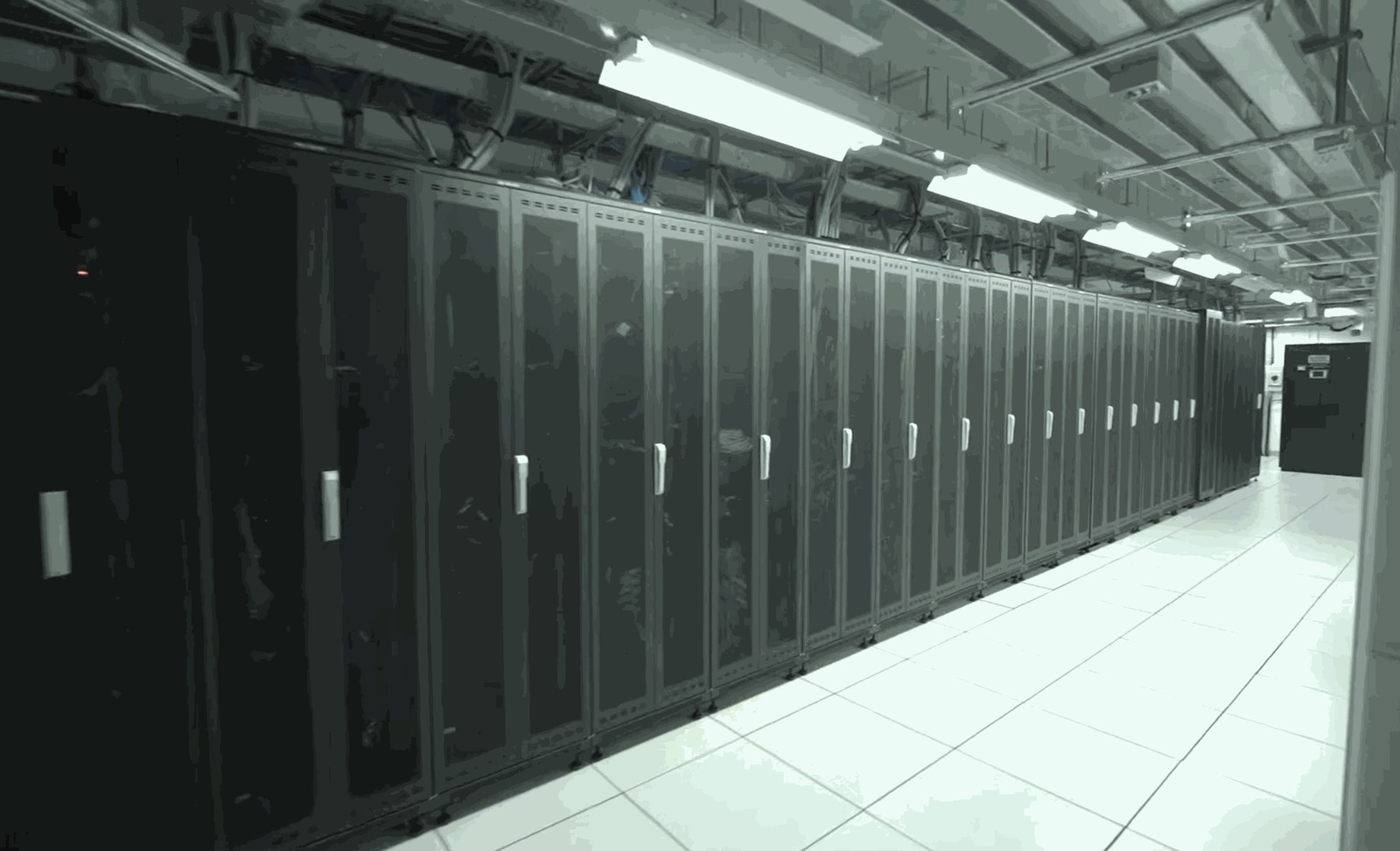
Enterprise Private Cloud Data Center
Build a governed private cloud foundation for enterprise workloads that need elasticity, security, and a cleaner operating model than fragmented legacy infrastructure.
A secure, scalable private cloud solution for core enterprise platforms, regulated workloads, and internal digital transformation programs.






Best Fit and Key Challenges
Best Fit Scenarios
This solution is designed for enterprises that need a controlled internal cloud environment for core platforms, regulated workloads, or shared infrastructure across business units.
Key Challenges
Many organizations run critical systems on infrastructure that still works technically but is fragmented operationally. Resources are hard to govern, environments are inconsistent, and scaling new services often means repeating manual delivery patterns.
What the Solution Includes
These components show what the solution includes and why each layer matters to performance, resilience, and manageability.
Compute and virtualization layer
General-purpose servers and the virtualization platform provide the abstraction and elasticity required to deliver shared internal infrastructure without tying every service to dedicated hardware.
Storage layer
Distributed storage supports scalable data services and resilient workload placement. This layer matters because private cloud performance and recovery posture are both constrained by how storage is designed.
Network and security layer
Data center networking and security controls create the segmentation, policy enforcement, and predictable connectivity required for multi-tenant or multi-business internal environments.
Continuity layer
Backup and disaster recovery capabilities protect core workloads and make resilience part of the platform design instead of an afterthought attached to a few critical systems.
Management and tenancy layer
O&M management and multi-tenant resource control turn the infrastructure into a governable operating model with clearer ownership, service boundaries, and lifecycle discipline.
What to Consider Before Deployment
Every deployment model optimizes for something. This section highlights the tradeoffs in cost, complexity, flexibility, and operational control.
Control vs speed of change
Stronger governance, policy, and internal control improve predictability, but they can slow down service rollout if the platform is overdesigned or approval-heavy.
Shared efficiency vs dedicated autonomy
A common private cloud improves utilization and operational consistency, but some business units may resist losing dedicated environments or locally optimized processes.
Elasticity vs architectural discipline
Elastic resource pools improve platform flexibility, but without strong service boundaries and workload standards they can become another layer of operational ambiguity.
Platform maturity vs initial simplicity
A real private cloud requires management tooling, recovery design, governance models, and operating discipline. That raises initial complexity, but it is what separates a platform from a rebranded virtualization estate.
Discuss your project requirements.
If Enterprise Private Cloud Data Center fits your target environment, we can help define scope, capacity, resiliency, and operating requirements.