'/%3e%3cpath%20d='M0,0%20L145,0%20L141,6%20L129,21%20L116,38%20L103,54%20L90,71%20L77,87%20L66,101%20L55,115%20L41,133%20L30,147%20L29,880%20L-81,880%20L-82,510%20L-93,524%20L-105,539%20L-116,553%20L-127,567%20L-138,581%20L-144,589%20L-322,589%20L-324,593%20L-336,608%20L-346,621%20L-357,635%20L-366,646%20L-377,660%20L-388,674%20L-399,688%20L-412,704%20L-422,717%20L-433,731%20L-442,742%20L-452,755%20L-465,771%20L-478,788%20L-492,805%20L-505,822%20L-516,836%20L-528,851%20L-539,865%20L-551,880%20L-695,880%20L-693,876%20L-684,864%20L-676,854%20L-664,839%20L-654,826%20L-641,810%20L-631,797%20L-620,783%20L-608,768%20L-597,754%20L-585,739%20L-574,725%20L-564,712%20L-551,696%20L-541,683%20L-533,673%20L-522,659%20L-511,645%20L-500,631%20L-489,617%20L-478,603%20L-465,587%20L-455,574%20L-444,560%20L-431,544%20L-421,531%20L-408,515%20L-398,502%20L-386,487%20L-375,473%20L-364,459%20L-351,443%20L-342,431%20L-329,415%20L-316,398%20L-302,381%20L-289,364%20L-275,347%20L-265,334%20L-253,319%20L-242,305%20L-229,289%20L-216,272%20L-203,256%20L-196,247%20L-185,233%20L-172,217%20L-159,200%20L-145,183%20L-135,170%20L-124,156%20L-111,140%20L-100,126%20L-89,112%20L-78,98%20L-65,82%20L-54,68%20L-43,54%20L-32,40%20L-19,24%20L-9,11%20Z%20'%20fill='%23FEFEFE'%20transform='translate(757,106)'/%3e%3cpath%20d='M0,0%20L1,0%20L1,577%20L-108,577%20L-108,139%20L-94,121%20L-80,103%20L-69,89%20L-55,71%20L-45,58%20L-34,44%20L-26,34%20L-10,13%20Z%20'%20fill='%23FEFEFE'%20transform='translate(921,408)'/%3e%3cpath%20d='M0,0%20L1,0%20L1,140%20L-9,153%20L-20,167%20L-31,181%20L-42,195%20L-56,213%20L-66,226%20L-78,241%20L-88,254%20L-99,268%20L-108,280%20L-109,280%20L-109,139%20L-99,127%20L-90,115%20L-79,101%20L-68,87%20L-56,72%20L-43,55%20L-31,40%20L-18,23%20L-5,7%20Z%20'%20fill='%23FDFDFC'%20transform='translate(921,163)'/%3e%3cpath%20d='M0,0%20L2,0%20L2,184%20L-144,184%20L-138,175%20L-126,160%20L-115,146%20L-104,132%20L-93,118%20L-80,102%20L-70,89%20L-59,75%20L-48,61%20L-36,46%20L-25,32%20L-12,16%20L-2,3%20Z%20'%20fill='%23010101'%20transform='translate(674,393)'/%3e%3c/svg%3e)
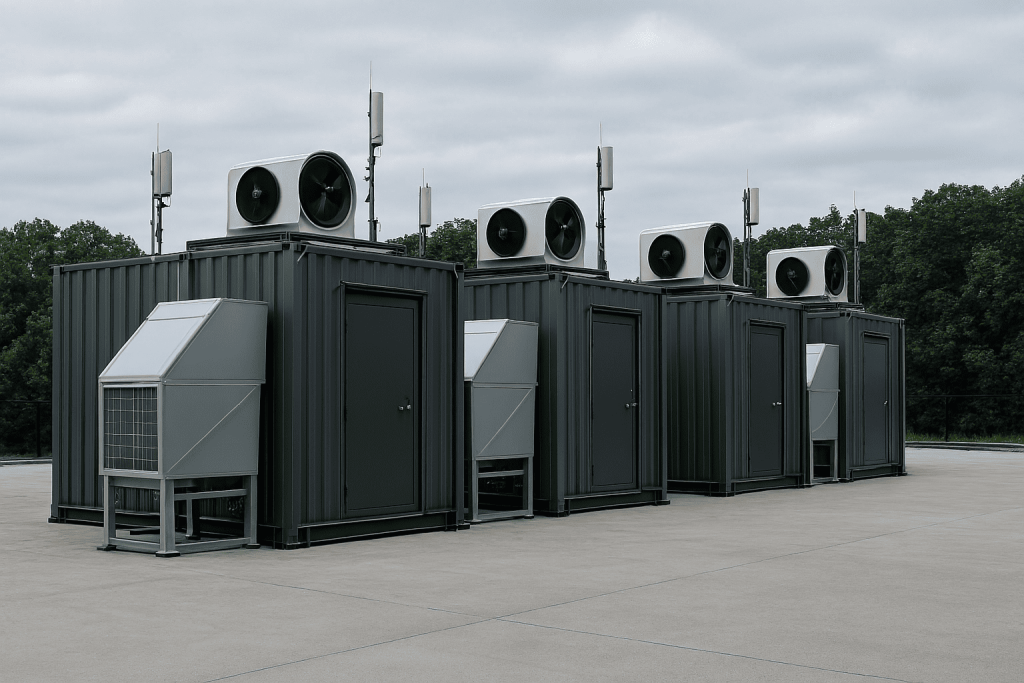
Edge Computing Data Center
Place compute closer to the point of use with modular infrastructure that can be deployed quickly, managed remotely, and sized for practical edge workloads.
A compact, modular edge data center solution for low-latency workloads across industrial, city, field, and distributed deployment scenarios.
Best Fit and Key Challenges
Best Fit Scenarios
This solution is designed for organizations that need compute close to the point of use, whether in industrial parks, transportation corridors, energy sites, manufacturing environments, or distributed video AI deployments.
Key Challenges
Many distributed workloads break down when every decision, inference task, or data stream has to return to a central facility. Latency rises, backhaul demand grows, and remote sites remain dependent on infrastructure they do not control.
What the Solution Includes
These components show what the solution includes and why each layer matters to performance, resilience, and manageability.
Local compute layer
Edge servers provide on-site processing for workloads that cannot tolerate central-only latency or dependence. This layer is what gives the site practical autonomy.
Local data layer
Small storage systems support local buffering, processing, and short-cycle data handling so edge workloads can continue operating even when central links are constrained.
Connectivity layer
Edge network equipment connects sites to upstream platforms while preserving local traffic handling where needed. This layer matters because edge value disappears if every workload still depends on the core network path.
Modular facility layer
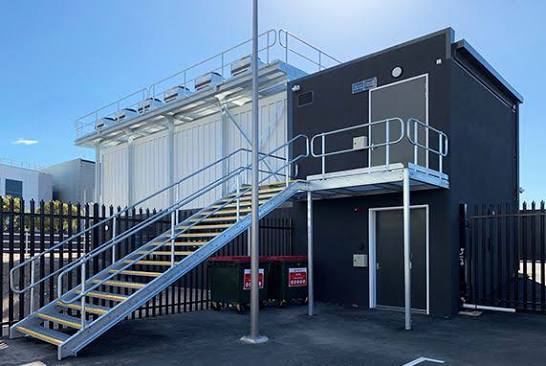
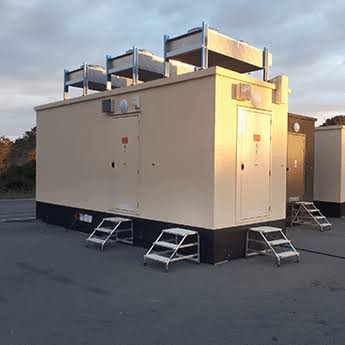
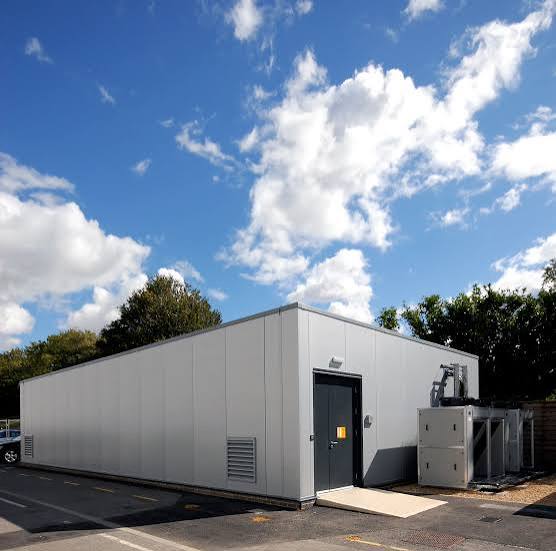
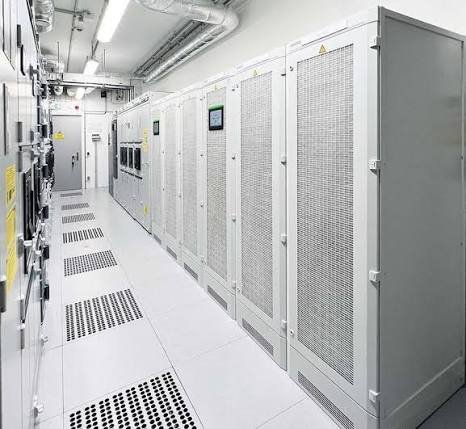
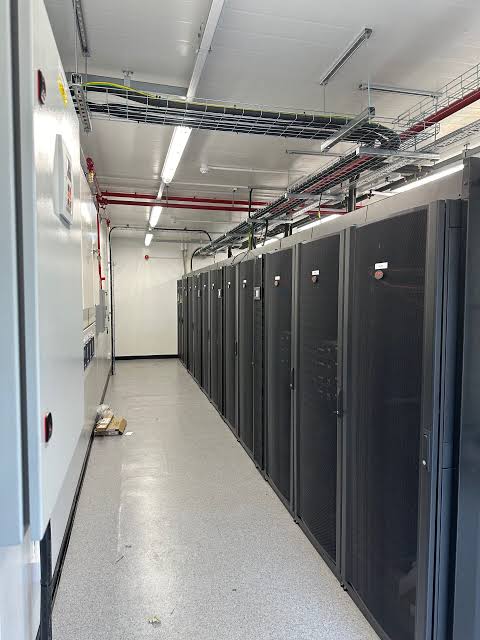
Micro-module server rooms and integrated cabinets make deployments faster and more repeatable across distributed locations with different site conditions.
Inference and operations layer
Local AI inference and remote O&M platforms allow edge sites to run meaningful workloads while remaining supportable from a central operating team.
What to Consider Before Deployment
Every deployment model optimizes for something. This section highlights the tradeoffs in cost, complexity, flexibility, and operational control.
Local autonomy vs central efficiency
Pushing compute outward improves latency and site resilience, but it can also create more distributed assets to manage, patch, secure, and standardize.
Standardization vs site-specific optimization
A repeatable modular design accelerates rollout and support, but some locations may demand tailored adaptations that reduce the benefits of a common edge blueprint.
Compact deployment vs future headroom
Small edge footprints improve speed and practicality, but aggressive minimization can leave too little capacity for workload growth or local service expansion.
Operational reach vs operational complexity
Remote visibility and low-touch maintenance make distributed sites viable, but the operating model still has to absorb more physical endpoints, more failure domains, and more field coordination than a centralized design.
Discuss your project requirements.
If Edge Computing Data Center fits your target environment, we can help define scope, capacity, resiliency, and operating requirements.