'/%3e%3cpath%20d='M0,0%20L145,0%20L141,6%20L129,21%20L116,38%20L103,54%20L90,71%20L77,87%20L66,101%20L55,115%20L41,133%20L30,147%20L29,880%20L-81,880%20L-82,510%20L-93,524%20L-105,539%20L-116,553%20L-127,567%20L-138,581%20L-144,589%20L-322,589%20L-324,593%20L-336,608%20L-346,621%20L-357,635%20L-366,646%20L-377,660%20L-388,674%20L-399,688%20L-412,704%20L-422,717%20L-433,731%20L-442,742%20L-452,755%20L-465,771%20L-478,788%20L-492,805%20L-505,822%20L-516,836%20L-528,851%20L-539,865%20L-551,880%20L-695,880%20L-693,876%20L-684,864%20L-676,854%20L-664,839%20L-654,826%20L-641,810%20L-631,797%20L-620,783%20L-608,768%20L-597,754%20L-585,739%20L-574,725%20L-564,712%20L-551,696%20L-541,683%20L-533,673%20L-522,659%20L-511,645%20L-500,631%20L-489,617%20L-478,603%20L-465,587%20L-455,574%20L-444,560%20L-431,544%20L-421,531%20L-408,515%20L-398,502%20L-386,487%20L-375,473%20L-364,459%20L-351,443%20L-342,431%20L-329,415%20L-316,398%20L-302,381%20L-289,364%20L-275,347%20L-265,334%20L-253,319%20L-242,305%20L-229,289%20L-216,272%20L-203,256%20L-196,247%20L-185,233%20L-172,217%20L-159,200%20L-145,183%20L-135,170%20L-124,156%20L-111,140%20L-100,126%20L-89,112%20L-78,98%20L-65,82%20L-54,68%20L-43,54%20L-32,40%20L-19,24%20L-9,11%20Z%20'%20fill='%23FEFEFE'%20transform='translate(757,106)'/%3e%3cpath%20d='M0,0%20L1,0%20L1,577%20L-108,577%20L-108,139%20L-94,121%20L-80,103%20L-69,89%20L-55,71%20L-45,58%20L-34,44%20L-26,34%20L-10,13%20Z%20'%20fill='%23FEFEFE'%20transform='translate(921,408)'/%3e%3cpath%20d='M0,0%20L1,0%20L1,140%20L-9,153%20L-20,167%20L-31,181%20L-42,195%20L-56,213%20L-66,226%20L-78,241%20L-88,254%20L-99,268%20L-108,280%20L-109,280%20L-109,139%20L-99,127%20L-90,115%20L-79,101%20L-68,87%20L-56,72%20L-43,55%20L-31,40%20L-18,23%20L-5,7%20Z%20'%20fill='%23FDFDFC'%20transform='translate(921,163)'/%3e%3cpath%20d='M0,0%20L2,0%20L2,184%20L-144,184%20L-138,175%20L-126,160%20L-115,146%20L-104,132%20L-93,118%20L-80,102%20L-70,89%20L-59,75%20L-48,61%20L-36,46%20L-25,32%20L-12,16%20L-2,3%20Z%20'%20fill='%23010101'%20transform='translate(674,393)'/%3e%3c/svg%3e)
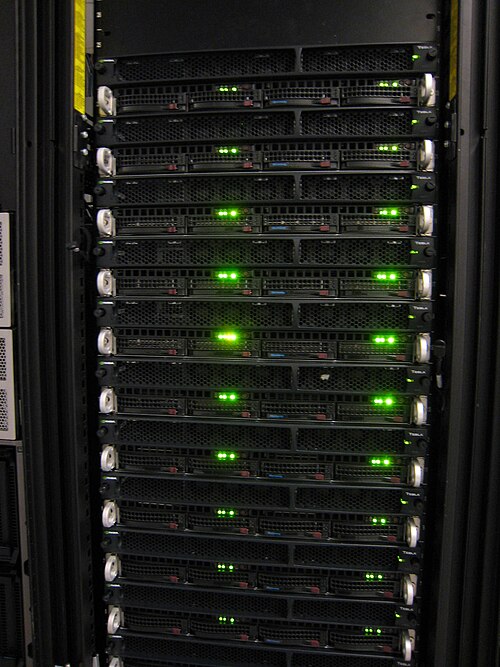
AI Intelligent Computing Center
Design an AI-ready computing environment with the GPU density, networking, storage, cooling, and platform management needed to run production AI workloads reliably at scale.
A high-performance AI infrastructure solution for large-model training, inference, scientific computing, and other compute-intensive workloads.
Best Fit and Key Challenges
Best Fit Scenarios
This solution is designed for organizations moving beyond isolated AI pilots into a shared, production-ready computing environment. It fits teams supporting large-model training, high-concurrency inference, scientific computing, or multiple internal AI workloads on one platform.
Key Challenges
AI environments often underdeliver because compute is added faster than the supporting architecture. Storage throughput, east-west networking, thermal design, and scheduling maturity lag behind, leaving expensive accelerators underused.
What the Solution Includes
These components show what the solution includes and why each layer matters to performance, resilience, and manageability.
Compute layer
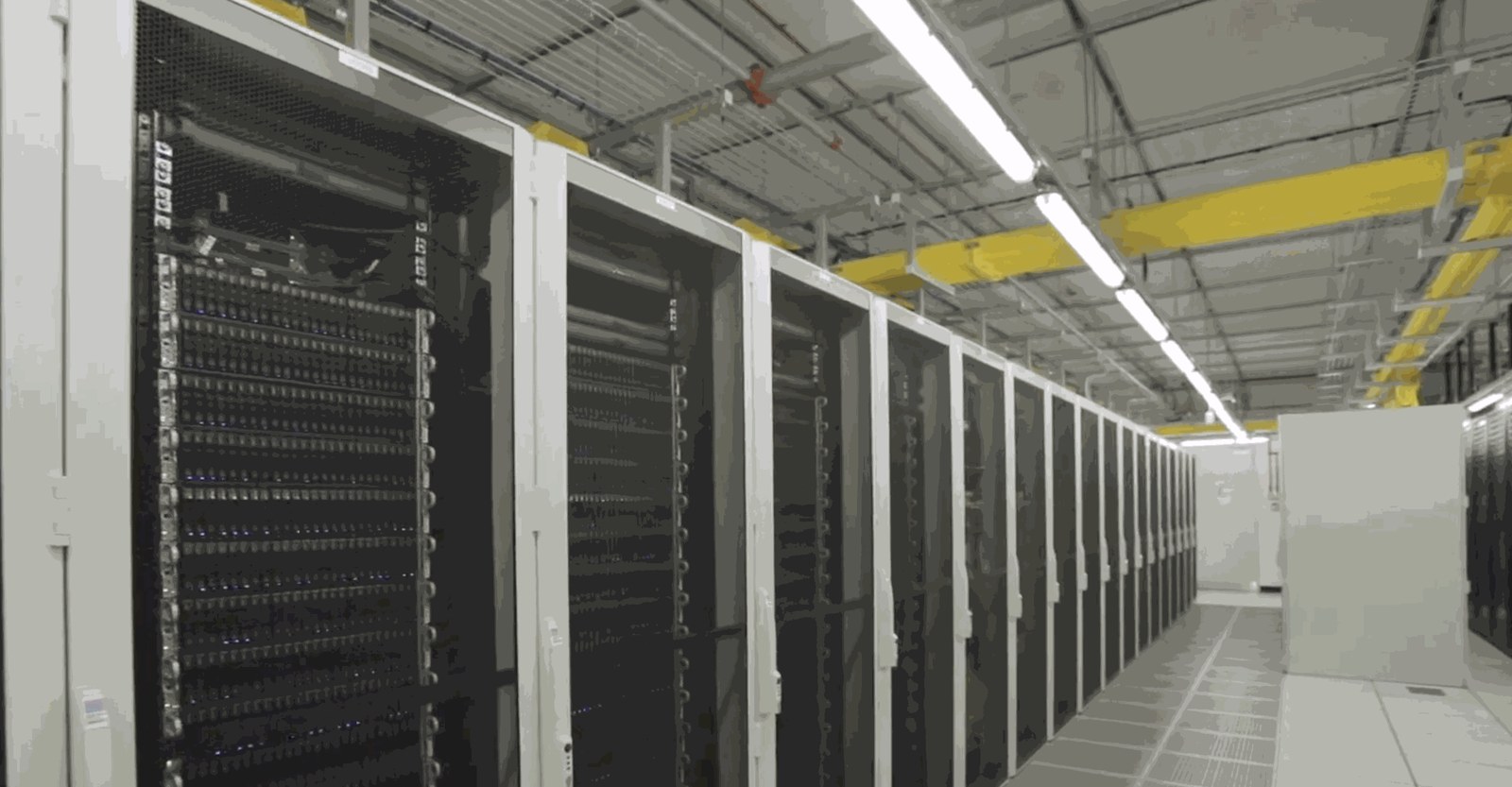
GPU and AI server clusters provide the acceleration required for training, inference, and simulation workloads. This layer defines total capacity, but its value depends on the surrounding architecture keeping the cluster fed and stable.
Network layer
High-speed RoCE or InfiniBand networking supports the east-west traffic patterns that distributed AI workloads depend on. Without it, cluster scale does not translate into usable throughput.
Storage layer
High-throughput distributed storage keeps datasets, checkpoints, and model artifacts moving at the rate the compute layer expects. In practice, storage is often the first hidden bottleneck in AI environments.
Thermal and facility layer
Liquid-cooled high-density cabinet design allows concentrated GPU loads without making thermal management the limiting factor. Density decisions also shape power design, rack planning, and expansion strategy.
Platform and operations layer
Training, inference, scheduling, O&M, and billing capabilities turn the environment from a hardware cluster into a usable internal platform with resource control, visibility, and service discipline.
What to Consider Before Deployment
Every deployment model optimizes for something. This section highlights the tradeoffs in cost, complexity, flexibility, and operational control.
Density vs expansion flexibility
Higher-density designs improve space efficiency and support concentrated AI workloads, but they also tighten power, thermal, and facility constraints that can complicate expansion.
Peak performance vs operational simplicity
A highly optimized fabric and storage path can maximize training efficiency, but it increases integration complexity and raises the operational bar for the team running it.
Shared efficiency vs workload isolation
A common platform improves utilization and governance across teams, but some workloads may still require reserved capacity, stricter isolation, or separate service tiers.
Capital intensity vs service readiness
A mature AI computing center requires more than accelerators. Networking, storage, cooling, scheduling, and operations tooling all add cost, but they are what make the environment usable at production scale.
Discuss your project requirements.
If AI Intelligent Computing Center fits your target environment, we can help define scope, capacity, resiliency, and operating requirements.